How I Make Money Online Blogging (& You Can Too)!
How To Start A Blog & Make Money Blogging
Want to get paid to blog? In this step-by-step tutorial, I’m pulling back the curtain on how I make money online blogging — and how you can architect your own digital estate, too.
I blog about everything that fuels my life: RVing, Travel, Money, Dogs, and Entrepreneurship. But beyond the blog posts, I am a Digital Architect. I don’t just write blogs; I build digital assets.
I can’t tell you how many times I get asked, “What do you actually do?” or, really, “How do you make that kind of money?” especially when people see me traveling full-time with my six fur-babies. Some call me a YouTuber or an Influencer, but the truth is, I’m a writer and a teacher at heart — I am a Blogger!
As an introvert, the “hustle” of social media can be a massive energy drain. Blogging is my sanctuary. It allows me to tell my story and build my digital empire on my own time. It’s not just a blog, it’s a business, and a form of healing.
You’re here for the “How,” and for me, that answer is Multiple Streams of Income. I’ve spent 11 years engineering a Digital Hacienda — a 12 niche site ecosystem that works while I sleep. Your journey doesn’t have to look exactly like mine, but the blueprints I’m sharing here will show you how to start laying your first bricks.
Table of Contents
- How To Start A Blog & Make Money Blogging
- What is Blogging?
- Where Can You Blog?
- Blogging vs. Vlogging
- My Story: Before the Hacienda
- The Laboratory: What I Started Out Blogging About
- The Portfolio: My Digital Hacienda
- How to Architect Your Blog (Step-by-Step)
- The 10k Engine: How to Architect Your Income
- The Blueprint: 14 Ways I Power My Estate
- 1. Affiliate Marketing: The Referral Engine
- 2. Display Advertising: Collecting Digital Rent
- 3. Sponsored Content: The Authority Exchange
- 4. Digital Products: The Infinite Inventory
- 5. Physical Products: The Branded Estate
- 6. Professional Services: The High-Ticket Wing
- 7. Memberships & Subscriptions: The Private Lounge
- 8. Sponsored Links & Guest Posts: Digital Real Estate
- 9. Partnerships & Collaborations: The Power Alliance
- 10. Consulting & Strategy: The Master Architect
- 11. Patronage & Donations: Supporting the Mission
- 12. Events & Workshops: The Grand Ballroom
- 13. Freelancing: The Living Resume
- 14. Email Marketing: The Sovereign Signal
- The Blueprint: 14 Ways I Power My Estate
- The Guest List: Your Key to the Hacienda
- Final Thought: The Hacienda Wasn’t Built in a Day
What is Blogging?
At its core, blogging is simply sharing your stories, expertise, or knowledge online. Whether it’s through written posts, photography, or video (Vlogging), it’s about creating a digital footprint.
Think of it like this: If you’ve ever shared a long caption on social media, told a story in an email, or posted a detailed review online — you’ve already started blogging.
The Real-World Example: From Social Post to Brand Recognition
Take this post from my trip to the Bahamas. I wasn’t just “posting a photo”—I was documenting an experience at Atlantis.
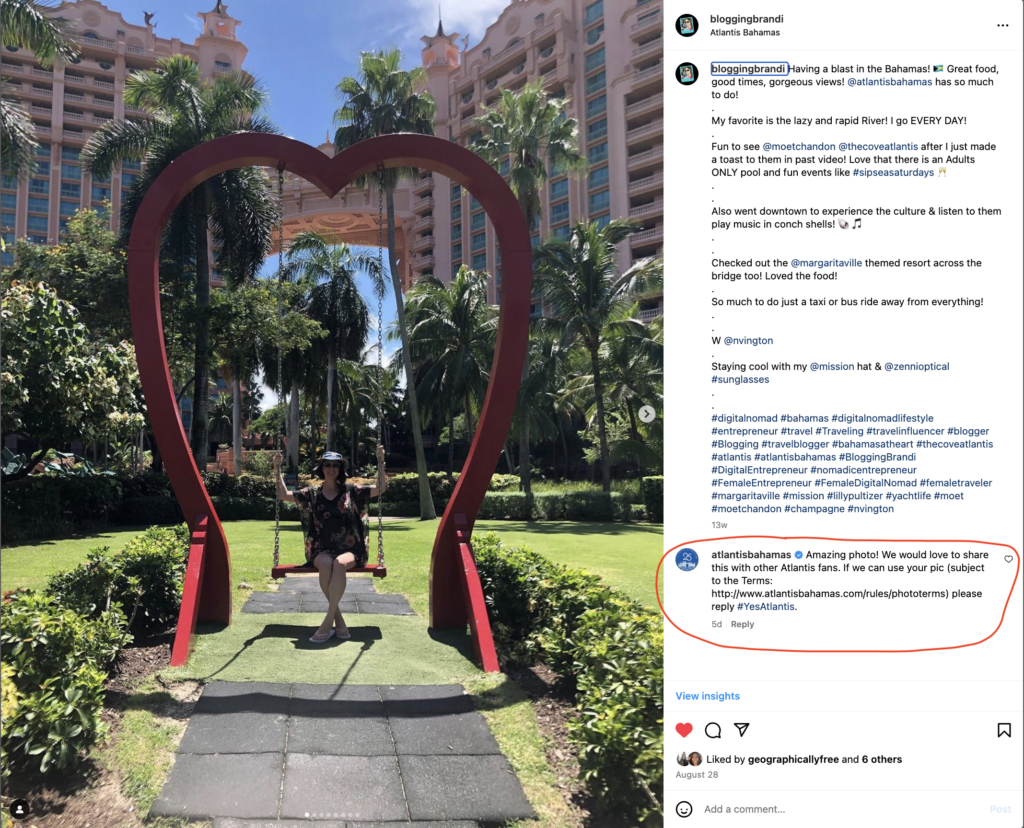
Because I shared the details—the culture, the music, the Moët toasts, and the specific spots I loved—Atlantis Bahamas themselves reached out to feature my content.
The Signal: “Amazing photo! We would love to share this with other Atlantis fans…”
This is where “Social Posting” turns into “Blogging Authority.” When you document your life with intention, brands notice. But here is the secret: Social media is rented land. If you want to turn those moments into a $10k/month empire, you have to move those stories onto your own Digital Hacienda.
Where Can You Blog?
While blogging traditionally lived on personal websites, the digital landscape has expanded. Today, blogging happens everywhere—from social media to private newsletters. This versatility is exactly what makes it so powerful.
You don’t need a sprawling estate to get started. You can begin laying your first “identity bricks” on any of these platforms:
- Personal or Business Websites (The Foundation): Platforms like WordPress or Squarespace are where you build long-term equity. This is land you own.
- Social Media Platforms (The Digital Billboard): Instagram, Facebook, Pinterest, or LinkedIn. These are perfect for short-form “signals” and real-time connection.
- Email Newsletters (The Private Lounge): Tools like MailChimp, ConvertKit or FloDesk give you direct access to an audience’s inbox—the highest form of digital trust.
- Third-Party Platforms (The Shared Space): Substack or Medium. These are easy-to-use “apartments” with built-in audiences ready to read.
Whether you’re teaching a skill, sharing your RV travels, or building a brand, blogging lets you show up on your own terms. 💬✨
Ready for the Deep Dive? If you want the full step-by-step breakdown of the mechanics, check out my comprehensive guide: 👉 What Is Blogging? Explained: How It Works + How to Start a Blog
Blogging vs. Vlogging
While blogging is the art of the written word, Vlogging is its video-driven sibling. Instead of building with sentences, vloggers build with scenes.
You’ll typically find vlogs hosted on YouTube, Instagram, or TikTok, though more platforms are adopting video every day. Both are powerful ways to connect, but they require different “energies.”
- Blogging = The Written Blueprint. (Deep, searchable, and permanent).
- Vlogging = The Visual Signal. (Fast, engaging, and personality-driven).
Personally, I do both. But I had to realize where my true strength lived. As an introvert, I found that while video is a great “signal,” the written word is where I build my Legacy.
The Strategy:
📖 READ: Born To BLOG (NOT Vlog) — The tactical breakdown of why blogging is the ultimate asset for long-term freedom.
The Heart:
✍️ READ: I Was Born to Blog: Pursuing My Passion & The Gift Of Writing — My personal realization of how writing saved my business (and my sanity).
My Story: Before the Hacienda
If you don’t know my history, I’m an ex-corporate Finance professional. For years, I drank the Kool-Aid, but eventually, I reached my “Sara Blakely Moment.” I knew this wasn’t my story. I wanted out. I wanted to roam, to travel, and to build a life on my own terms.
At the time, I had no idea that I would become @BloggingBrandi. I had no website, no social media presence, and I’d never filmed a single frame of video.
But I knew how to write. I had notebooks full of ideas and digital drafts that had never seen the light of day. I had the “Identity Bricks,” but I didn’t have the land to build on yet.
Before I learned how to “Blog” in the traditional sense, I made a radical move. I quit my $100k/year corporate job with nothing but an Amazon and eBay account. No Brand. No Niche. No Following. > I spent six months aggressively saving, building a small re-selling business, and testing every idea I had to generate income online. I even had my 20-year license as a Master Cosmetologist as my “safety net”—if the digital world failed, I could always go back to hair and nails.
Then, everything changed.
My plans didn’t just shift; they were demolished. A life-altering event created a ripple effect that forced a radical lifestyle change in my business, my health, and my soul. It was in that “survival mode” that I discovered the true power of digital real estate.
The Digital Nomad Chronicles: From Corporate to Hacienda
Phase 1: The Exit & The Hustle
- 📄 The Resignation: My $100k/Year Resignation Letter & Checklist
- 📦 The First Engine: How I Started Reselling (And What I Sell)
- 🚐 The Shift: Leaving Corporate America to RV & Build an Online Business
Phase 2: Building the Identity
Phase 3: The Evolution (The Renovation)
The Laboratory: What I Started Out Blogging About
My “Life-Changing Moment” is what finally pushed me to speak up. At first, I didn’t even know what my “niche” was. I just knew I needed to share something.
I started with Relationship Advice. I was going through it myself, and I thought if I could write my way through the healing on my own website—a space that was truly mine—I might find my footing.
They say you teach what you’re currently learning. And let me tell you: If you only knew the strange, cringeworthy DMs I used to send people on Twitter (now X) back then… 😂 🤦♀️ The responses I got were just as weird. I was finding my voice in real-time, and it wasn’t always pretty.
I wasn’t sure how I was going to monetize it yet, but the mere act of starting a blog is what birthed the name @BloggingBrandi. Haters are always going to hate, but their noise actually helped me solidify my identity.
Now, ten years and a dozen successful blogs later, I’ve moved from “Relationship Advice” to Asset Management. I’m finally ready to show you exactly how I make money blogging—and how you can architect your own journey.
Ready to find your own niche? 📖 READ: Most Popular Types of Blogs To Start — Discover which “Identity Bricks” fit your story.
The Portfolio: My Digital Hacienda
I don’t just have “a blog.” I’ve engineered a diversified ecosystem of digital assets. By treating each niche like a piece of real estate, I’ve built multiple streams of income that don’t depend on a single algorithm.
The Portfolio: My Digital Hacienda
I don’t just have “a blog.” I’ve engineered a diversified ecosystem of digital assets. By treating each niche like a piece of real estate, I’ve built multiple streams of income that don’t depend on a single algorithm.
Click each estate below to see the transparent business model and revenue breakdown for that specific niche:
- The HQ:
- Born To Blog Club (Blogging Strategy & Technical HQ)
- Travel & Nomadic Life:
- RVersity (RV Lifestyle)
- Maps And Miles (World Travel)
- RVing For Bosses (Remote Work)
- Business & Finance:
- BLABoss (Branding & Entrepreneurship)
- Fancy Financials (Finance)
- Ambay Exchange (Reselling)
- Lifestyle & Wellness:
- Birdies Doghouse (Dog Care)
- Cattitude Chaos (Cat Care)
- The Drops of B (Sober Lifestyle)
- Redirected Energy (Faith-Based Resource)
🏰 [Explore the Full Digital Estate Portfolio] — See the architecture behind the empire.
How to Architect Your Blog (Step-by-Step)
If you’re feeling overwhelmed, remember: You aren’t building a cathedral on Day 1. You are simply clearing the land. Here is how to start your blog without the “tech-stress” or overcomplication:
- Claim Your Territory (Pick Your Topic): What do you want to be known for? Your lifestyle? A passion? A business? Don’t wait for “perfect”—just choose the first “identity brick” you want to lay.
- Secure the Deed (Name + Domain): Choose a name that reflects your vision. Secure the domain on Namecheap or GoDaddy to ensure you own your digital land from the start.
- Build the Frame (The Platform): While Squarespace or Wix are fine for ‘renting’ a pretty space, WordPress is how you secure the Title Deed. If you want to build a 12-site Hacienda like mine, don’t settle for a prefab cabin. Build on WordPress.
- Post the Signal (Your First Entry): Don’t wait for a masterpiece. Share your “Why.” Hit publish and let the world know the gates are open.
- Open the Gates (Share It): Put the link in your bio. Send it to your inner circle. This is how you begin to attract your residents.
Don’t stress the “fancy” details yet. The Hacienda wasn’t built in a day—it evolved. Just start. 💻✨
The Fast Track: 🚀 Learn How To Start A Blog On Medium (Fast & Free) — Best for instant audience and zero tech-setup.
The Legacy Track: 🏗️ Build Your Own Website: GoDaddy + WordPress in Minutes — Best for those ready to own their land and scale.
The 10k Engine: How to Architect Your Income
How do you actually get paid to blog?
Most people think “monetization” is a single button you click. In reality, it’s a series of strategic revenue streams tailored to your niche, your audience, and your lifestyle. This is precisely why I built a 12-site Hacienda—because multiple niches allow for multiple, non-competing income streams.
To put it simply: Monetization is the act of turning your digital content into a financial asset.
There is no ceiling to your blog revenue once you understand the mechanics of how these “bricks” fit together. Whether you are looking for passive income while you travel or a high-touch coaching business, the blueprints remain the same.
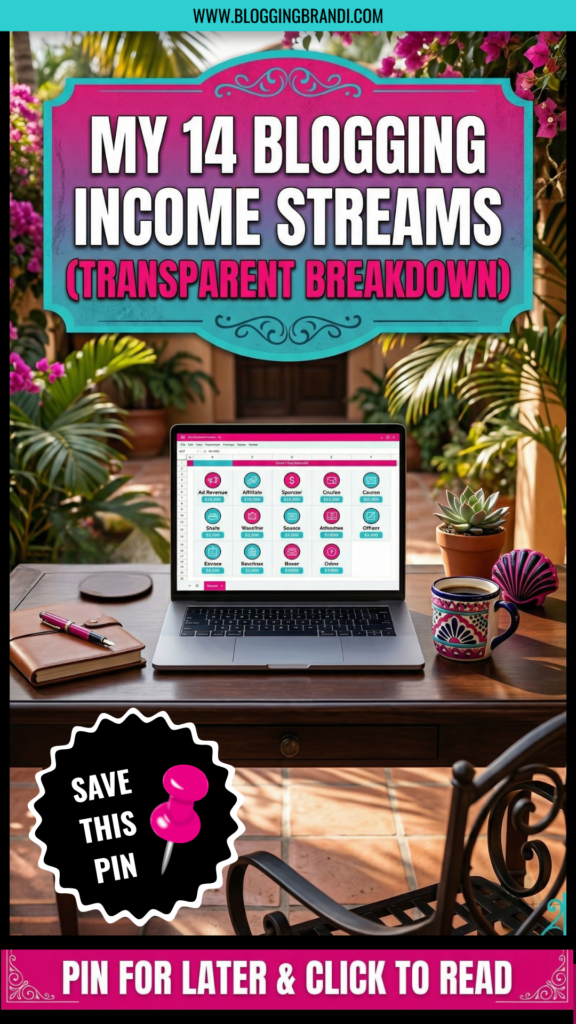
The Blueprint: 14 Ways I Power My Estate
I’ve spent 11 years testing every income stream in the digital world. These 14 “bricks” make up the Wealth Stack of my 12-site Hacienda. While some are the core engines running 24/7, others are specialized wings I deploy only for high-caliber opportunities.
- Affiliate Marketing: Earning commissions by recommending the tools and brands I actually use.
- Display Advertising: Passive revenue from high-traffic “billboards” on my sites.
- Sponsored Content: Partnering with brands to tell their story to my audience.
- Digital Products: Selling my own blueprints, guides, and masterclasses.
- Professional Services: Leveraging my expertise for high-ticket results.
- Memberships & Subscriptions: Creating private “Residents-Only” spaces (like the Hacienda).
- Physical Products: Tangible goods shipped from my e-commerce brands.
- Sponsored Links & Guest Posts: Monetizing the “real estate” value of my domains.
- Email Marketing: The most direct, high-trust revenue channel I own.
- Partnerships & Collaborations: Joint ventures with other industry Alphas.
- Coaching & Consulting: 1:1 strategy for those ready to scale fast.
- Donations & Support: Community-funded “signals” (Buy Me a Coffee, etc.).
- Events & Workshops: Real-time training and intensive deep-dives.
- Freelancing: Using my “Billion-Dollar Brain” to build for others.
The Strategy: > You don’t need all 14 on Day 1. In fact, trying to build 14 rooms at once is the fastest way to collapse the frame. You start with the Foundation, master the frequency, and then add the Wings of your estate.
Below, I’m pulling back the curtain on the full 14-stream engine I use to power my 12-site Hacienda. We’re going through every “brick”—from the passive rent of ads to the high-ticket strategy of consulting.
1. Affiliate Marketing: The Referral Engine
The Definition: Affiliate marketing is a partnership. You promote the brands and products you actually use through unique links. When a reader makes a purchase through your “signal,” you earn a commission.
The Reality: This is the fastest way to start generating revenue, even before you have a massive audience. If you have an email address, a phone, and a story to tell, you can begin laying these bricks today.
Think about your daily life. Every time you travel on Southwest Airlines, wear your favorite Lilly Pulitzer dress, or pack your Vera Bradley bags—you are interacting with brands that have affiliate programs. When I eat at STK Steakhouse in San Juan because of a TripAdvisor review, I am seeing the engine in action.
Example: The Mobile Office
In my own estate, I created a deep-dive into my “Digital Nomad Essentials.” It’s a resource for my readers, but it’s also a revenue driver. Every item I recommend—from my laptop stand to my travel bags—is a “link” that powers my business.
- 🚐 My Mobile Office Essentials: Must-Haves For Digital Nomads
- 💻 Remote Work Setup: My RV Office Blueprint
How to Start Your Referral Engine
Getting started is a simple three-step sequence: Sign up. Create the Affiliate LINK. Share the Signal. Everything is tracked through your unique code, ensuring you get the credit for the value you provide.
- Join the Networks: Apply for programs like Amazon Associates, ShareASale, Impact, or CJ.
- Document, Don’t Just Create: Promote the products you already believe in within your blog posts.
- Optimize for Search: Use SEO to attract readers who are already looking for the solutions you use.
The Deep Dive: 📖 Affiliate Marketing Tutorial: My Step-by-Step Guide for Beginners
Why Ownership is the Key
Every one of these “links” to these “brands” represents a commission. But here is the secret: To truly scale this, you need a home for your recommendations.
You can get paid for mentioning the books you read, the places you travel, and the food you eat. There is no limit to who will pay you to share their brand, as long as you have the Digital Land to host the conversation.
I’ve done this for myself a dozen times, and I’ve done it for others, too. If you want to see exactly how I take a brand from zero to a successful, revenue-generating engine, look at this case study:
🏰 The Architecture of Success: How I Built the “Very Much Loved” Business Blog (From Start to Finish)
2. Display Advertising: Collecting Digital Rent
The Definition: This is the most passive way to monetize. You are essentially leasing “billboard space” on your website to ad networks like Google AdSense. You earn revenue based on impressions (CPM) or clicks (CPC).
The Reality: Once your infrastructure is set up, this is “passive income.” If you followed my blueprint for the Very Much Loved Business Blog, you’re already on WordPress. Using tools like Google SiteKit allows you to connect your estate to the global ad market instantly.
Once approved, the network places relevant ads on your site, and you collect the commission.
⬇️ Display Advertising Might Look Something Like This ⬇️
How to Build Your “Billboard” Revenue
- Join the Networks: Start with Google AdSense or Shareaholic. As your traffic scales, you can “level up” to elite networks like Mediavine or Raptive (formerly AdThrive), which offer much higher payouts.
- Strategic Placement: The goal is to maximize revenue without compromising the “resident experience.” You want the ads to feel like part of the neighborhood, not a digital eyesore.
- The Traffic Truth: High-caliber estates earn more because they have more visitors. While some networks look at your social following, the most sustainable “rent” comes from Search Traffic—people finding your answers on Google 24/7.
Pro Architect Tip: Don’t obsess over ads on Day 1. If you have no visitors, you have no “tenants” to pay the rent. Focus on laying the “Identity Bricks” (content) first. Build the house before you try to sell the ad space on the fence.
Example: I collect ‘digital rent’ through high-traffic travel content at RVersity.
3. Sponsored Content: The Authority Exchange
The Definition: Sponsored content is a professional partnership where a brand compensates you—either through direct payment, products, or exclusive perks—to create dedicated reviews or stories for your audience.
The Reality: This is one of the most lucrative “Identity Bricks” you can lay. I receive emails daily from companies that have seen my YouTube channel or read my blogs and want to know if I’ll review their products. They aren’t looking for “followers”; they are looking for Authority.
How to Become a Brand Partner
- “Authority Hacking”: Even if you aren’t working with a brand yet, start documenting your experience with them. Tag them in your stories and mention them in your blog posts. When brands see you producing high-caliber content naturally, they take notice.
- The Signal Loop: Often, brands will be so impressed they’ll share your content with their massive audience. This is a shortcut to growth that doesn’t require a single paid ad.
- Pitch or Be Found: You can join platforms like Cooperatize or IZEA, but the highest-paying deals usually come from brands reaching out directly because they found your “Digital Land” on Google.
Pro Architect Tip: Never compromise the “Resident Experience.” Only partner with brands you actually use in your own Hacienda. Your reputation is your most valuable asset—don’t trade it for a free t-shirt. 🥂
4. Digital Products: The Infinite Inventory
The Definition: This is the art of creating a digital asset—an e-book, a course, or a template—once, and selling it an infinite number of times. There is no shipping, no inventory, and no ceiling to your revenue.
The Reality: Digital products move you from “Content Creator” to “Subject Matter Expert.” When you package your knowledge into a product, you are providing your audience with a shortcut to their own success.
Examples of High-Caliber Assets:
- Blueprints & Guides: Detailed e-books like my How To Start A Blog roadmap.
- Digital Tools: Professional planners, templates, or checklists that solve a specific problem.
- University Training: Online courses and masterclasses hosted on platforms like Teachable, Kajabi, or directly on your own WordPress estate.
How to Architect Your First Product
- Identify the Gap: What is the one thing your audience keeps asking you for? That is your first product.
- Build the Infrastructure: Use a dedicated platform or a WordPress plugin to host your content securely.
- Deploy the Signal: Promote your products through your blog posts, your email list, and your private “Resident” channels.
The Case Study: My 7-Day Blogging Challenge is a prime example of a digital product designed to take a “Resident” from zero to a published site in one week.
5. Physical Products: The Branded Estate
The Definition: If your niche has a “tangible” side, physical products—merchandise, books, or private-label goods—are a powerful way to solidify your brand.
The Reality: From branded T-shirts and mugs to private-labeled RV essentials, physical products turn your “Digital Signal” into something your residents can actually hold. Whether you are using Print-on-Demand to stay lean or Private Labeling to build a custom line, this is how you scale your identity.
How to Stock Your Shop:
- Design the Signal: Use Canva to create high-caliber designs that represent your brand’s aesthetic.
- The Lean Launch (Print-on-Demand): Connect with partners like Printful to create custom merchandise without holding any inventory.
- The Private Label Path: Use platforms like Alibaba to find manufacturers for products you want to “Brand” as your own.
- The Infrastructure: Integrate a store directly into your WordPress estate using WooCommerce, or use third-party galleries like Shopify or Etsy.
The Blueprint in Action: I’ve documented my own journey of building a physical product line—including the mistakes I made so you don’t have to:
- 🧵 The First Launch: How I Created My First Custom Product (Mistakes & Lessons)
- 📈 The Step-by-Step: How To Create & Sell Custom Merchandise Online
- 🏰 The Client Build: How I Built the “Very Much Loved” Shop
6. Professional Services: The High-Ticket Wing
The Definition: This is the most direct way to monetize your expertise. By offering consulting, coaching, or specialized “Done-For-You” services, you are using your platform to attract high-value clients who need your specific “Blueprint.”
The Reality: Your blog is your living resume. Whether you are providing SEO Audits, Content Strategy, or 1:1 Business Coaching, your estate proves you have the results to back up your rates.
Examples of High-Value Services:
- Consulting & Strategy: Helping brands architect their own digital presence.
- Creative Assets: Freelance writing, professional design, or social media management.
- Technical Audits: Deep dives into SEO, content marketing, or site performance.
How to Open Your Office
- Build the Portal: Create a dedicated Work With Me page that clearly outlines your expertise and how you solve problems.
- Display the Receipts: Showcase your portfolio (like the Very Much Loved case study) and testimonials to build immediate trust.
- The High-Touch Signal: Use your blog posts to demonstrate your “Billion-Dollar Brain” in action—when people read your insights, they’ll want to hire your results.
The Strategy Room: 🤝 [Work With Me: Private Strategy & Creative Services]
7. Memberships & Subscriptions: The Private Lounge
The Definition: This is a recurring revenue model where you offer premium content, exclusive resources, or a “members-only” community. Instead of a one-time transaction, your audience becomes a “Resident” of your brand.
The Reality: This is the highest form of community trust. Whether it’s a private community like the Born to Blog Club or a deep-dive technical subscription, memberships provide the predictable cash flow that allows you to scale with peace of mind.
What’s Inside the Vault:
- Exclusive Intelligence: Private articles, “over-the-shoulder” videos, and early access to new strategies.
- Community Access: Direct lines to you and a curated group of like-minded Alphas.
- The Resident Perk: Exclusive templates, checklists, or “Monthly Office Hours.”
How to Open Your Private Gates
- Choose Your Infrastructure: Use specialized platforms like Memberful, Patreon, or Substack, or build your own “Resident Portal” directly on your WordPress estate.
- Define the Value: What “High-Ticket” insight are you sharing that isn’t available to the general public?
- Invite the Neighbors: Use your blog content to “tease” the deep-dives happening inside your private community.
The Case Study: I’ve used this model to build thriving communities in the RV space and am currently architecting the next evolution of the Born to Blog Club Residency.
8. Sponsored Links & Guest Posts: Digital Real Estate
The Definition: This is where you leverage the “land value” of your website. Brands or other creators pay a fee to place a high-quality guest article or a strategic backlink within your content to improve their own search engine visibility.
The Reality: As your estate grows in age and authority (like my decade-plus domains), your “Digital Land” becomes more valuable. Brands want to be associated with your high-caliber content because it signals trust to search engines.
The Architect’s Warning: This is a powerful revenue stream, but it requires a “Protector” mindset. You must ensure you comply with search engine guidelines (using proper disclosures and “sponsored” tags) to protect the long-term health of your estate.
How to Manage Your Placements:
- Filter the Residents: Only allow high-quality, relevant guest content that actually adds value to your readers.
- Clear Disclosures: Always be transparent with your audience when a link or post is a paid placement.
- Protect the Foundation: Never prioritize a quick fee over the “Domain Authority” of your site.
Pro Tip: I get approached weekly by brands wanting a “piece of the land” on my various blogs. By maintaining high standards, I can charge a premium for these Strategic Placements.
9. Partnerships & Collaborations: The Power Alliance
The Definition: This is a strategic “handshake” between your brand and another blogger, business, or industry leader. By pooling your audiences and expertise, you create a high-impact event or product launch that benefits both “estates.”
The Reality: When you collaborate with a partner who has a similar high-caliber audience, you aren’t just sharing a link—you are borrowing their Trust. This is the fastest way to expand your “territory” and reach new residents.
How to Architect a Partnership:
- Co-Hosted Intelligence: Partner with another expert to host a masterclass, webinar, or live workshop. You share the work, and you both share the revenue.
- Strategic Campaigns: Work with a brand on a full-scale “Product Launch” where you aren’t just a reviewer, but a primary partner in their marketing story.
- The Network Effect: Often, a single high-level collaboration can lead to years of referrals and “inside track” opportunities.
The Architect’s Move: I don’t just “collaborate” with anyone. I look for partners who share my commitment to Sovereignty and Quality. When two Alphas align, the result isn’t just a blog post—it’s an Industry Signal.
10. Consulting & Strategy: The Master Architect
The Definition: This is the most direct application of your “Billion-Dollar Brain.” By offering personalized, one-on-one or group consulting, you are providing a shortcut to success for clients who want to bypass years of trial and error.
The Reality: Your estate is the “Proof of Concept.” When someone hires me for Blogging Strategy or Digital Asset Management, they aren’t just paying for an hour of my time—they are paying for eleven years of mistakes they no longer have to make.
High-Level Strategy Sessions:
- Personal Brand Architecture: Helping you find your “Identity Bricks” and build your own Hacienda on Blogging Brandi.
- The Technical Build: Direct mentorship through the Born to Blog Club for those ready to master the “engine” of their website.
- Niche Mastery: Deep-dives into the worlds I’ve already conquered, from RV Living to Reselling Economies.
How to Open Your Strategy Room
- Solve the Critical Pain Point: Identify the one “wall” your audience keeps hitting. That is where your consulting begins.
- Architect Your Packages: Don’t just sell “hours”—sell Outcomes. Create clear sessions or monthly retainers that move the needle for your clients.
- The Authority Signal: Use your blog posts to showcase your expertise so that by the time a client reaches your “Work With Me” page, they are already sold on your results.
The Alpha Move: If you are tired of guessing and ready to build your estate with a pro by your side, let’s talk. 🏛️ Schedule a Strategy Session: Work With Blogging Brandi
11. Patronage & Donations: Supporting the Mission
The Definition: Sometimes, your audience simply wants to support the “Signal” you are putting out into the world. Through “Buy Me a Coffee,” PayPal, or dedicated donation portals, your readers can provide direct financial support for your free content and mission-driven projects.
The Reality: This isn’t just about “tips”—it’s about Patronage. It allows your most dedicated residents to help fuel the engine. Whether it’s supporting the hours of research I put into this blog or helping fund a rescue mission on my dog blog, these contributions keep the “Digital Estate” thriving.
How I Use the Patronage Wing:
- The Personal Signal: On Blogging Brandi, I have a simple way for readers to “Buy Me a Coffee“ if a specific post helped them solve a major problem.
- The Mission-Driven Cause: On Birdies Doghouse, our donations go directly toward supporting rescue life and the advocacy work we do for dogs in need.
How to Build Your Own Patronage Portal
- Select Your Handshake: Use accessible tools like Buy Me a Coffee, PayPal, or Crowdfunding platforms to make the process seamless.
- State the Mission: Be transparent about where the support goes. People are much more likely to give when they know they are fueling a specific “Brick” or a charitable cause.
- Appreciate the Residents: Whether it’s a personal shoutout, exclusive “behind-the-scenes” content, or simply a heartfelt thank you, always acknowledge those who choose to support the estate.
The Mission: Support Birdies Doghouse: Join Us in Supporting Rescue Life 🐾
12. Events & Workshops: The Grand Ballroom
The Definition: This is the most immersive way to monetize your “Digital Estate.” By hosting live webinars, intensive workshops, or exclusive virtual events, you are creating a high-energy environment where your residents can learn, interact, and execute—in real-time.
The Reality: Digital assets (like blogs) are great for slow-burn learning, but Events are for fast-track results. Whether it’s a one-time “Launch Clinic” or a recurring series, charging for access ensures that only the most dedicated Alphas are in the room.
The Workshop Menu:
- Masterclasses: Deep-dives into specific architecture, like “The 12-Site Portfolio Strategy.”
- Live Build-Alongs: Interactive sessions where you help your residents lay their first “Identity Bricks” in real-time.
- Industry Summits: Co-hosting events with other “Power Alliances” to provide a massive value-stack to your audience.
How to Host Your Own Event
- Select Your Stage: Use high-performance tools like Zoom, Crowdcast, or WebinarJam to ensure the resident experience is seamless.
- Define the Transformation: People don’t pay for “information”—they pay for Transformation. What specific result will they have by the time the event ends?
- Deploy the Invitation: Use your blog and email list to announce the “Grand Opening” of your workshop.
The Next Opening: I regularly host workshops for those ready to stop “thinking about” blogging and start Building. Keep an eye on my Events Calendar for the next live session.
13. Freelancing: The Living Resume
The Definition: This is the most practical application of your digital skills. By using your blog as a living portfolio, you can attract high-value freelance opportunities in areas like Content Strategy, Graphic Design, Web Development, or SEO.
The Reality: Every post you publish is a “Sample” of your work. When a client sees the architecture of your 12-site estate, they don’t need to ask if you know what you’re doing—the proof is in the foundation. You can list your services on platforms like Upwork or Fiverr, but your blog is the ultimate “Handshake” that closes the deal.
The Freelance Arsenal:
- Strategic Execution: Writing high-converting copy or managing a brand’s digital signal.
- The Build: Using your WordPress and design skills to architect estates for others.
- Portfolio Power: Letting your own sites speak for your technical and creative range.
How to Deploy Your Skills
- Showcase the Build: Create a dedicated “Work With Me” or Portfolio page that highlights your best projects.
- The Case Study Advantage: Detailed breakdowns (like my work with Very Much Loved) act as a silent salesperson, proving your ROI to potential clients.
- Direct the Traffic: Use your “Digital Estate” to attract the exact type of clients you want to work with.
The Proof in the Foundation:
- 🏗️ The Case Study: How I Built the “Very Much Loved” Business Blog
- 🏰 The Digital Estate: View My Full Portfolio of Managed Brands
- 🤝 Work With Me: Hire My Billion-Dollar Brain for Your Next Project
14. Email Marketing: The Sovereign Signal
The Definition: This might shock you, but you can “blog” directly to your audience’s inbox. You don’t actually need a website or a social media profile to start building an asset—you just need a direct line to your people.
The Reality: Email is the only platform you truly own. Algorithms can’t hide your content, and social media platforms can’t “shadowban” your signal. Best of all? You can automate the entire architecture. Whether you send a weekly curated newsletter or set up an RSS Feed that automatically emails your blog posts the moment you hit publish—it’s the ultimate “Rinse and Repeat” revenue engine.
The Infrastructure:
- The Resident Invite: Build your list using high-value “Identity Bricks” (Lead Magnets) like free guides, checklists, or blueprints.
- The Automation: Set the frequency—daily, weekly, or monthly—and let the technology handle the delivery while you focus on the writing.
- The Direct Revenue: Use your newsletters to promote affiliate partnerships, your own digital products, or your high-ticket consulting.
How to Build Your Private Network
- Deploy the Invite: Use strategic pop-ups or a “Don’t Miss a Thing” sign-up at the end of every blog post to capture your residents.
- Provide the Value: Send regular, high-caliber insights that make your audience look forward to seeing your name in their inbox.
- Automate the Flow: Use tools like Mailchimp, ConvertKit, or FloDesk to scale your communication without scaling your workload.
The Workshop: 📩 How To Build An Email List For Free (MailChimp Tutorial) — Start building your most valuable asset today on Born to Blog Club.
The Guest List: Your Key to the Hacienda
Most people are out there shouting into the social media void, hoping an algorithm chooses them. Inside the High-Caliber Hacienda, we do things differently. We build on land we own, and we communicate with the people we value—directly.
When you join my private Guest List, you aren’t just getting “emails.” You’re getting the behind-the-scenes blueprints of how I manage 12 digital estates, the latest “signals” from the blogging world, and exclusive first-access to the Born to Blog Residency.
Are you on the list? 🔑 [Join the Guest List at the High-Caliber Hacienda]
Final Thought: The Hacienda Wasn’t Built in a Day
This post is part of my April Blog Rebirth & Reveal Tour, and it’s more than just a list of income streams—it’s the architecture of my freedom.
Blogging isn’t just “writing online.” It’s about Sovereignty. Whether you start with one “Identity Brick” on a dog blog or launch a 12-site engine like mine, the goal is to build something that outlasts a social media trend.
I’ve spent 11 years testing these 14 streams so you don’t have to guess. You have the map. You have the blueprint. Now, it’s time to pick up the hammer and treat your blog like the business it was meant to be.
Ready to lay your first brick in 7 days?
“If you want to see the technical blueprint of how I manage the 12-site engine behind these earnings, see my full breakdown at [Born to Blog Club].”
#BlogIncome #MakeMoneyBlogging #PassiveIncome #DigitalRealEstate

Add A Comment